Anti-Malarial Medication
Travelling to a country with a risk of malaria? Taking anti-malarial medication is one of the most effective ways to protect your health while abroad.
Through our trusted partner, MASTA, you can complete an online travel health assessment and arrange appropriate antimalarial medication before you travel. When you proceed to purchase, you’ll be securely directed to MASTA to finalise your order, receive clinical review and organise UK delivery (please allow 5–7 working days).
Online access to order medication is designed to support your travel preparation, but it is not a substitute for a full consultation. We always recommend booking a travel health appointment to discuss all aspects of your trip with one of our clinicians.
Before ordering, we recommend checking the latest malaria risk guidance for your destination via NaTHNaC.
How It Works


1. Select Your Medication
After choosing your medication, you’ll be securely directed to our partner, MASTA, to answer a few simple health questions, and to place your order.

2. Clinician Review
Our expert clinicians assess your information to ensure the medication is right for you. They’ll reach out if any additional details are needed.

3. Delivered to You
Once approved, your malaria tablets are packaged and sent straight to your UK address, ready for your trip.
Available Treatments
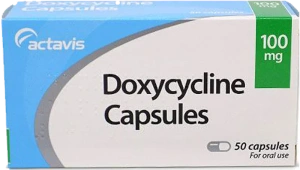
Doxycycline
£0.65
per tablet
 100mg capsules
Note: Prescription Product – Complete online consultation to purchase.
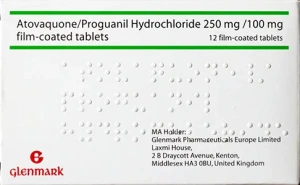
Atovaquone / Proguanil
£3.15
per tablet
250/100mg capsules
Note: Prescription Product – Complete online consultation to purchase.
About Malaria Treatment
What is malaria?
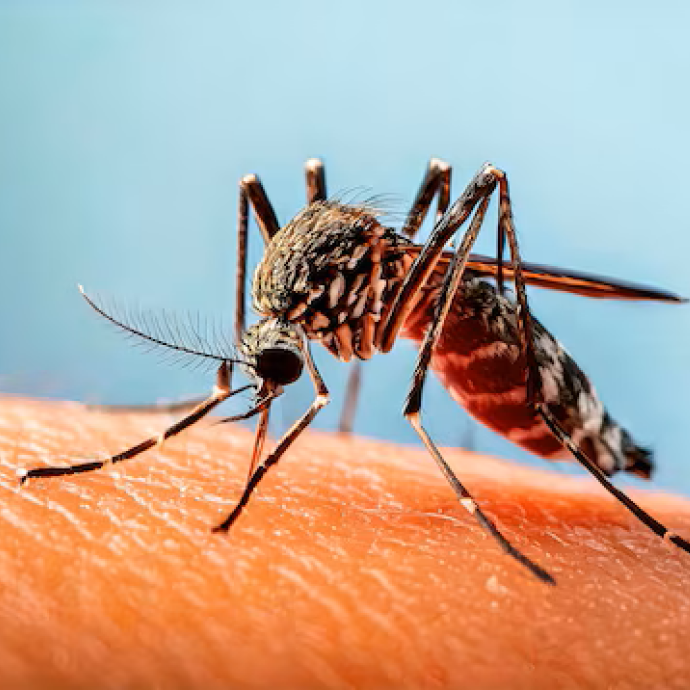
Malaria is a serious disease caused by a parasite called Plasmodium, which infects red blood cells. It is spread by mosquito bites, typically from dusk to dawn.
Early symptoms often include fever (38°C/100°F or higher), chills, headache, nausea, vomiting, and muscle aches. These can appear anywhere from 8 days to a year after being bitten.
Malaria can progress rapidly, so prompt diagnosis and treatment are essential. Certain groups are at higher risk of severe illness, including pregnant women, young children, the elderly, people without a functioning spleen, and travellers visiting friends and relatives in high-risk areas.
How can I prevent malaria?
Understand your risk – Risk varies by destination, season, trip length, activities, and type of accommodation.
Avoid mosquito bites – Use DEET-based repellents, wear protective clothing, and sleep under mosquito nets where needed.
Take antimalarial medication – When recommended for your destination, antimalarials provide strong protection, especially when combined with bite prevention measures.
Seek prompt medical care – If you develop a fever (38°C/100°F or higher) or malaria-like symptoms within a year of returning from a risk area, contact a healthcare professional immediately.
What are malaria tablets and how do they work?
Malaria tablets are prescription medications that help prevent malaria infection. While highly effective, they do not provide complete protection, and additional treatment is needed if you do become infected.
These tablets work by:
- Stopping the parasite from multiplying in red blood cells, giving your immune system a chance to fight the infection before symptoms appear.
- Preventing the parasite from developing in the liver and spreading to red blood cells.
Typically, you start taking antimalarial tablets a few days before entering a risk area, continue throughout your trip, and finish for a short period after leaving the malaria zone.
Different types of malaria tablets
The type of malaria tablet you need depends on your destination, health, and how your body reacts to medication.
Common options include:
Doxycycline
- An antibiotic used to prevent malaria
- Start 1–2 days before travel and continue for 4 weeks after leaving the risk area
- Prescription-only: you’ll complete an online health questionnaire for clinical approval
Atovaquone-Proguanil
- Begin 1–2 days before entering a malaria zone and continue throughout your stay, finishing 7 days after leaving
- Prescription-only: clinical approval is required via an online questionnaire
All malaria tablets should be taken with mosquito bite prevention measures for maximum protection.
How to take malaria tablets?
Doxycycline
- Typical dose: 100mg once daily, starting 1–2 days before travel and continuing for 4 weeks after returning.
- Swallow whole with plenty of water, at the same time each day. Stay upright for at least 30 minutes to prevent stomach irritation.
- Can be taken with food or milk if it upsets your stomach.
- Increases sensitivity to sunlight, so reduce sun exposure and use high-SPF sunscreen.
Atovaquone-Proguanil
- · Typical dose: 1 tablet daily with food or a milky drink, starting 1–2 days before travel, continuing during your trip, and 7 days after returning.
Missed Dose
- Take a missed dose as soon as you remember.
- Do not double up; continue your next dose at the usual time.
Taking malaria tablets with bite-prevention measures maximises your protection while travelling.
Doxycycline Side effects
Like all medications, doxycycline can cause side effects, though not everyone will experience them.
Common side effects (up to 1 in 10 people):
- Nausea or vomiting
- Headache
- Skin rashes, especially after sun exposure
- Allergic reactions
- Rare worsening of lupus or inflammation of the heart (pericarditis)
Uncommon side effects (up to 1 in 100 people):
- Vaginal infections
- Heartburn
Most side effects are mild and manageable but contact a healthcare professional if you experience anything severe or persistent.
Atovaquone and Proguanil Side effects
Like all medications, Atovaquone-Proguanil can cause side effects, though most people tolerate it well.
Very common side effects (more than 1 in 10 people):
- Headache
- Nausea or vomiting
- Stomach pain
- Diarrhoea
Common side effects (up to 1 in 10 people):
- Insomnia or sleep disturbances
- Dizziness
- Unusual dreams
- Loss of appetite
- Depression
- Fever
- Rash (may be itchy)
- Cough
Uncommon side effects (up to 1 in 100 people):
- Fast or irregular heartbeat (palpitations)
- Anxiety
- Hair loss
- Hives (itchy, raised rash)
- Mouth redness or swelling
- Low sodium levels in the blood
Most side effects are mild and temporary. Contact a healthcare professional if you experience severe or persistent symptoms.
Warnings
Malaria tablets are not suitable for everyone. Always check with a healthcare professional before starting any medication.
Doxycycline Warnings
Do not take doxycycline if you are:
- Allergic to its ingredients
- Pregnant or planning pregnancy
- Breastfeeding
Tell your doctor before taking doxycycline if you:
- Have liver or kidney problems
- Have myasthenia gravis, porphyria, or systemic lupus erythematosus
- Are taking oral retinoids or antibiotics
- Expect significant sun exposure
Drug interactions:
- Some medications can reduce doxycycline’s effectiveness (e.g., antacids, certain epilepsy drugs)
- Doxycycline can affect warfarin, oral contraceptives, penicillin, and ciclosporin
- It may slightly reduce contraceptive effectiveness if vomiting or diarrhoea occurs for over 24 hours
Atovaquone-Proguanil Warnings
Do not take if allergic to its ingredients.
Tell your doctor if you:
- Have severe kidney disease
- Take other medications, including prescription, OTC, or herbal (notably metoclopramide, tetracycline, rifampicin/rifabutin, efavirenz, warfarin, etoposide)
Pregnancy and breastfeeding:
- Not recommended unless advised by your doctor
- Active ingredients can pass into breast milk and may harm the baby
Always read the patient information leaflet and discuss any concerns with a qualified clinician before starting malaria tablets.
FAQs
Are malaria tablets available on the NHS?
No. Malaria tablets are not provided by the NHS. You can obtain them through a private prescription at travel clinics, online travel services like this, or from a GP. Costs vary depending on the medication.
Can I buy malaria tablets over the counter?
Only chloroquine is available without a prescription at some pharmacies. However, it may not be suitable for all destinations.
Which is better: Doxycycline or Atovaquone-Proguanil?
Both are effective.
- Doxycycline is cheaper but must be continued for 4 weeks after leaving a malaria area.
- Atovaquone-Proguanil is more expensive but only needs to be taken for 7 days after returning.
Can I drink alcohol while taking malaria tablets?
- Doxycycline – Avoid alcohol, as it may reduce effectiveness.
- Atovaquone-Proguanil – Moderate alcohol is generally safe, but avoid excess, especially if side effects occur.
If I get malaria, will it last for life?
No. Malaria can be treated and cured if diagnosed promptly. In some cases, it may recur and require further treatment.
Do all mosquitoes transmit malaria?
No. Only female Anopheles mosquitoes can transmit malaria between humans.

Travel Vaccinations & Health Advice Service
Advice that’s tailored to you & your travel plans